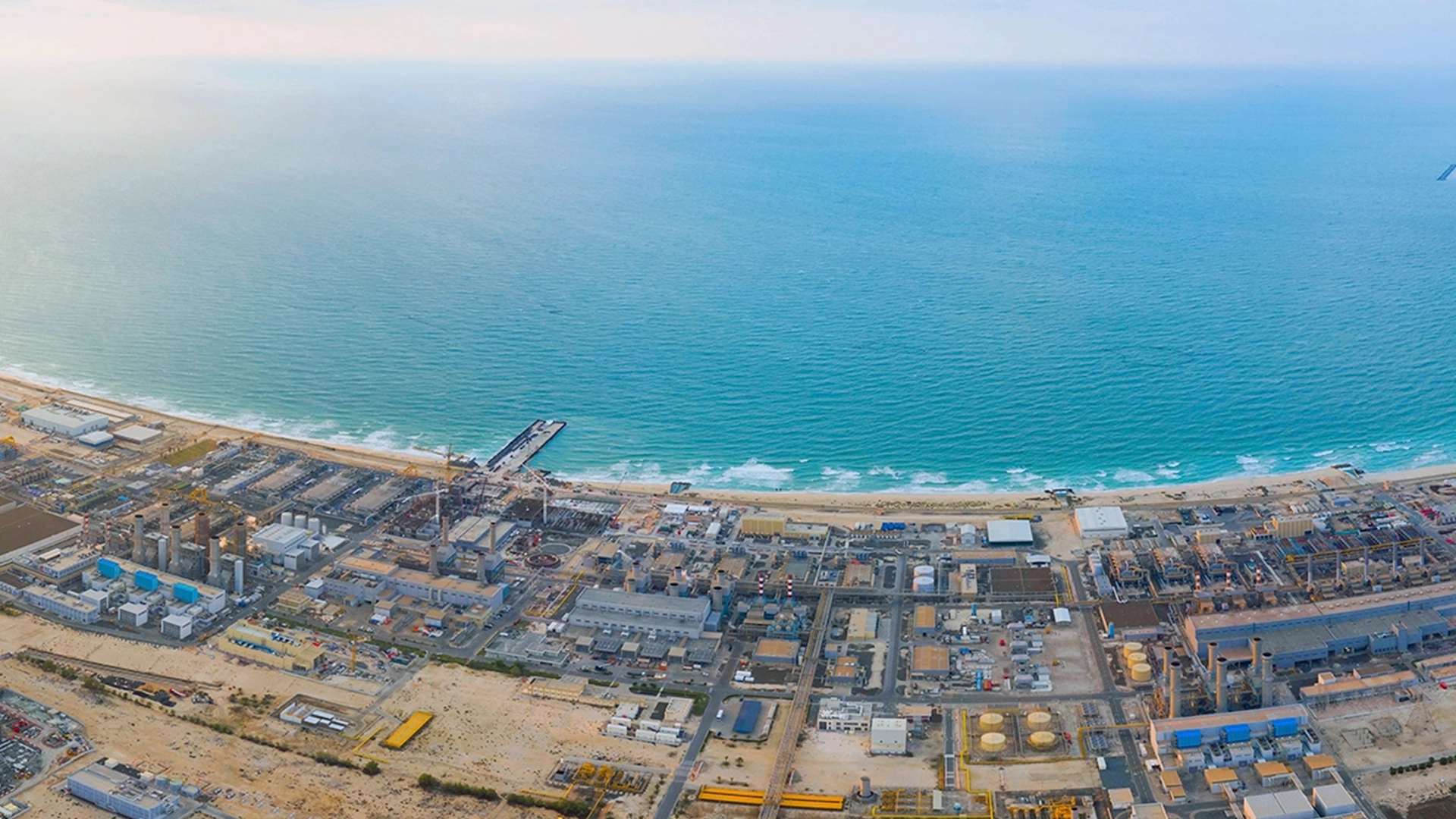

Reliably manage large quantities of water
When it comes to very large quantities of water, the water intake process needs a clear structure above all else. Multi-stage concepts are used wherever high volume flows, large intake structures, and robust pump protection are required. They are the standard for large-scale cooling and water circuits, particularly in power generation and in large industrial plants. Multi-stage water intake systems work with coarse bar screens and fine screens and reliably protect pumps even with fluctuating water quality levels. In modern plant concepts, they are specifically combined with a downstream high-performance filtration system. Their tasks are clearly defined: The intake system (pre-screening) protects the pumps, while the filtration system just upstream of the device to be protected (e.g. heat exchanger) forms the final stage of macrofouling protection.

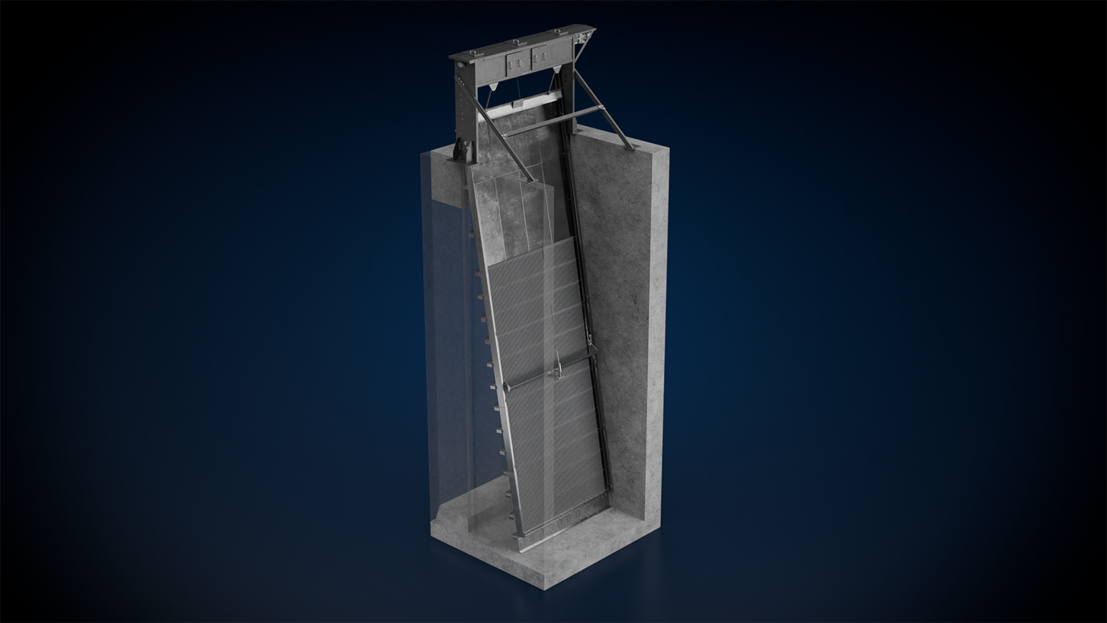
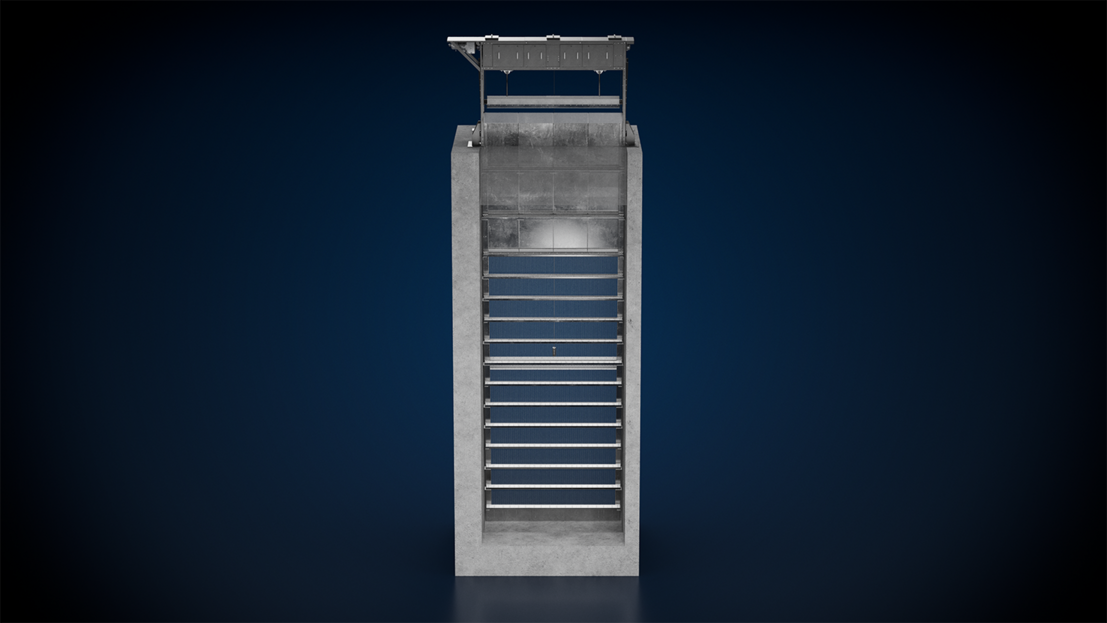
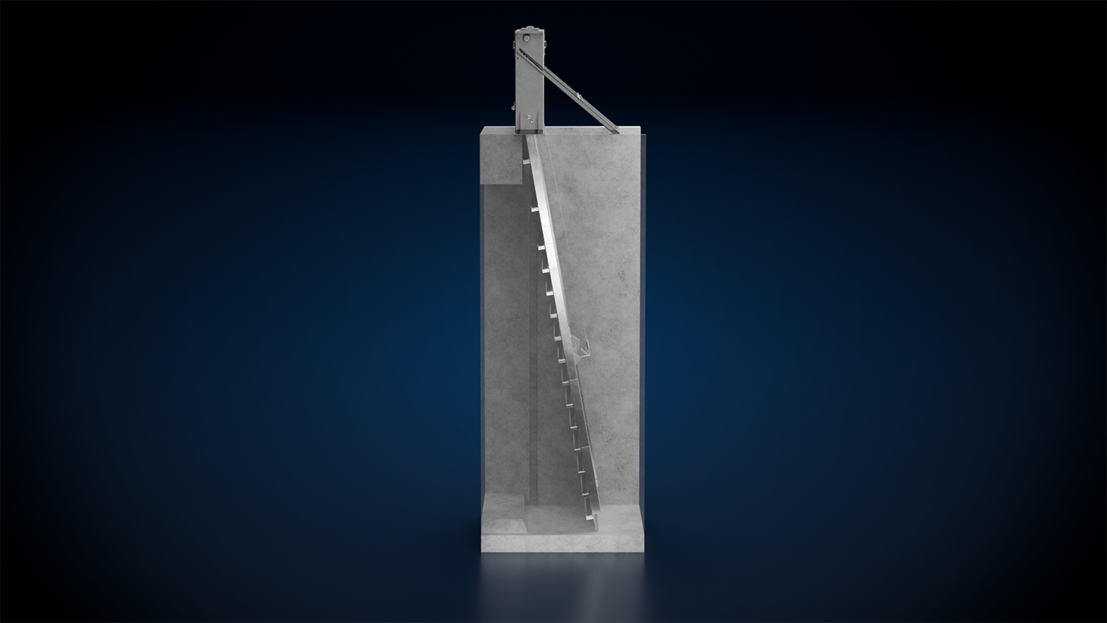

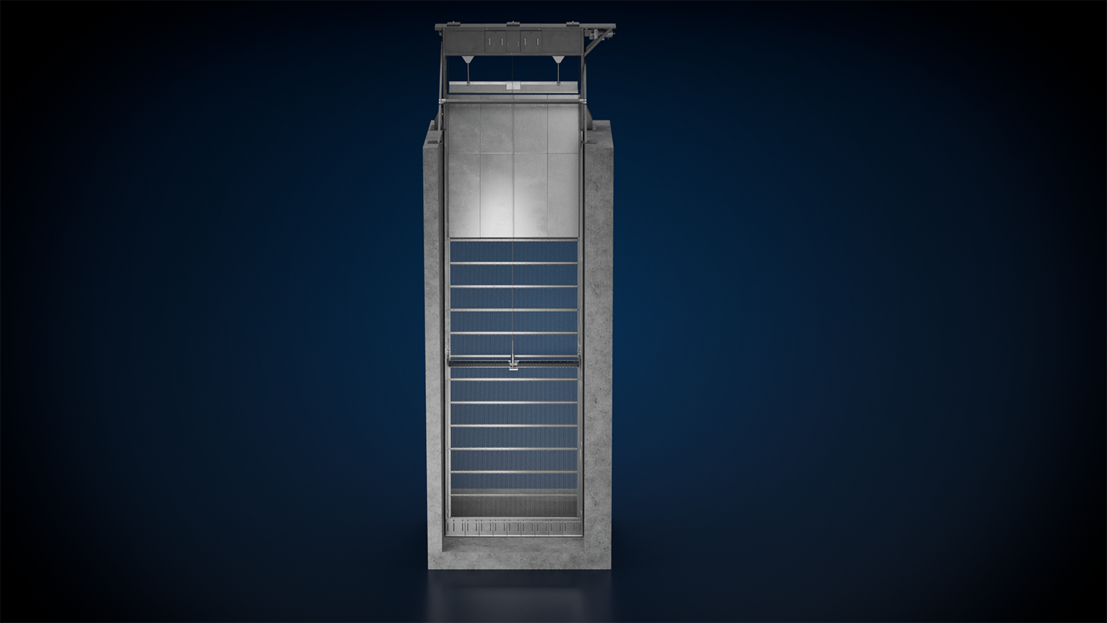
Multi-stage system overview
- Reliable pump protection even with very large volume flows
- Robust design for challenging ambient conditions
- Tried-and-tested concepts for industrial-scale applications
- Clear separation of water intake and filtration
- High operational reliability through structured cleaning stages

Typical applications
- Large power plants
- Industrial plants with very high water consumption
- Large desalination plants
Interaction in the overall system
In a nutshell
In combination with debris filters and cleaning systems, they form a coordinated end-to-end concept. They protect pumps, heat exchangers, and condensers and can be seamlessly integrated into thermal desalination and RO plants. This requires clear interfaces and high reliability.