
Maximum availability starts at the intake
Seawater desalination plants – whether on land or as a floating solution on a barge – involve high investment costs and complex technical requirements. Regardless of whether they work using heat (MSF, MED, MEH) or membrane technology (RO, reverse osmosis), their profitability depends on maximum availability, a long service life for the core components, as well as low energy and chemical consumption. But, starting at the very beginning, the first thing that is needed is seawater free from substances posing an operational hazard.
Macro- and microfouling under control
The key challenge here relates to the properties of the seawater fed to the plant. In addition to dissolved salts, seawater also contains particulate fouling (macrofouling). There is also a plethora of suspended substances, including organic material such as algae and microorganisms as well as their metabolic products (microfouling). Macro- and microfouling pose a constant risk to the desalination process. The strategies for preventing fouling vary widely depending on whether the desalination plant uses thermal or membrane technology. In thermal desalination plants, single- or multi-stage water intake systems for protecting the pumps as well as downstream debris filters are usually sufficient for protecting the evaporators from macrofouling. Meanwhile, the downstream Taprogge system keeps the evaporator tubes free from scaling.
Precise pretreatment for maximum RO performance
The approach is different for membrane-based desalination plants: Here, the pretreatment process upstream of the RO system is more complex. In modern RO systems, a filtration stage with debris filters (approx. 5 mm filter fineness) and then fine filters with a filter fineness of about 250 µm follow on from the intake systems (pre-screening) for protecting the pumps. This protects the downstream micro- or ultrafiltration stage from particulate fouling. In the case of single-stage water intake systems (TAPIS®), it can be possible to transition directly to fine filtration without an additional filtration stage depending on design factors. Then comes the high-pressure pump, which supplies the seawater to the RO modules.
Our systems for water intake
TAPROGGE Systems
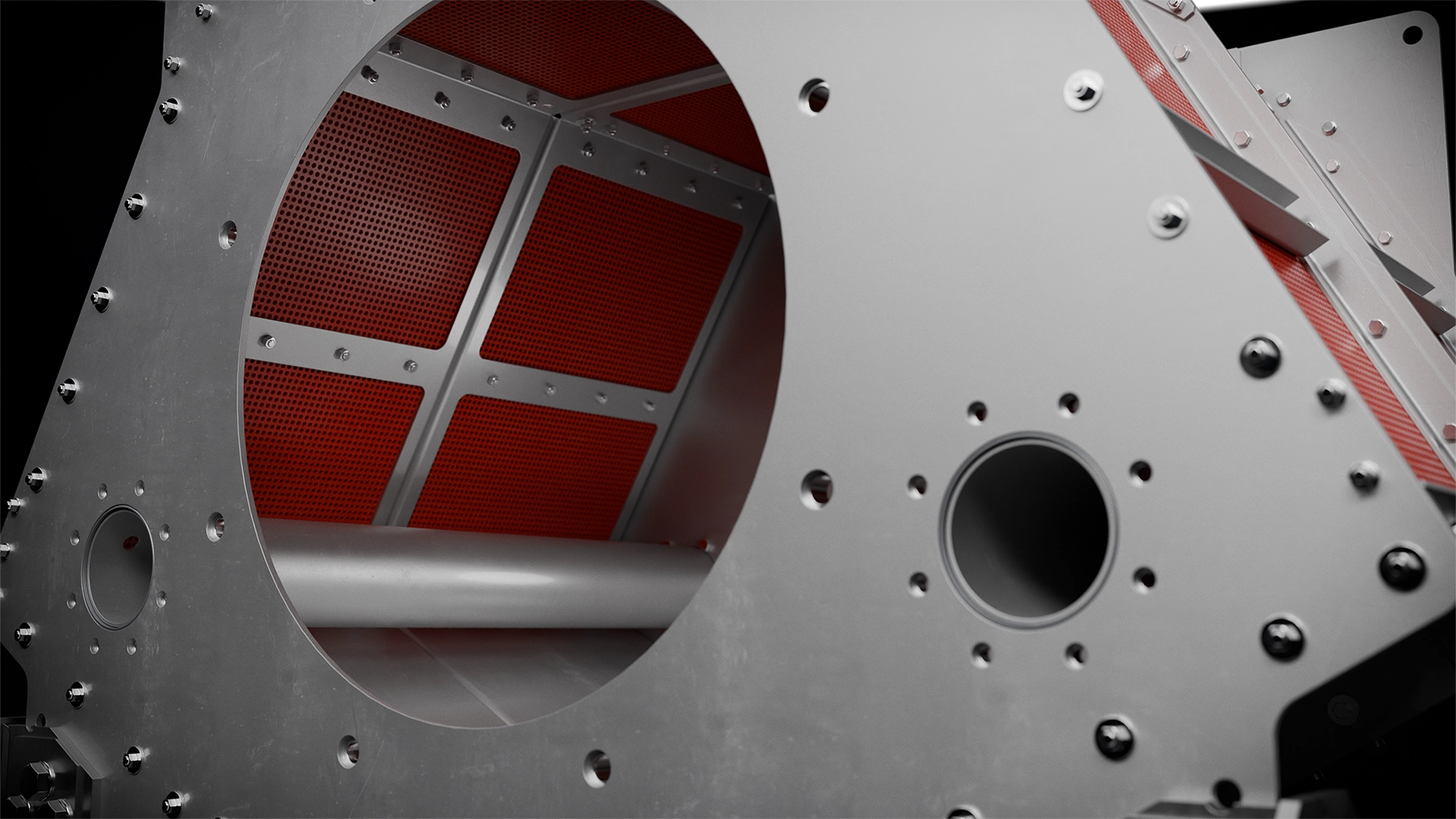
Our Taprogge water intake and filtration systems provide efficient water pretreatment while also ensuring a high level of protection and performance. They reliably remove particulate macrofouling from the raw water stream without using traditional, high-maintenance traveling band screens. A constantly high flow rate of pretreated water is maintained even under extreme conditions, for example in the event of sudden algal blooms or jellyfish infestations. This also ensures the functionality of downstream, sensitive process stages.
Our technology provides plant owners with three key benefits
- Significantly higher plant availability and operational reliability by preventing unplanned downtimes
- Lower operational expenditures (OPEX) thanks to longer maintenance and cleaning intervals
- A longer service life for the heat exchangers or membrane to be protected due to lower wear and effective damage prevention
IN-TA-CT Concept
The technological basis for this solution is our modular IN-TA-CT concept (INTEGRATED TAPROGGE CONCEPT), which combines the following key components into a robust, tailored end-to-end water intake and pretreatment solution:
- Single-Stage Water Intake System – TAPIS®
- Fine filter and high-performance filter from the PR-BW series